Electronics Recycling: Eco-Friendly Disposal Solutions for Household Electronics
Green Initiatives: How E-Waste Recycling Services Are Protecting Our Planet
E-waste represents a considerable hazard to the environment, as abandoned electronic devices commonly carry harmful materials. These toxic materials have the potential to taint soil and water sources, leading to broader ecological damage. E-waste recycling services present a viable solution. They not only recover valuable resources but also mitigate pollution. Gaining insight into how these programs function and affect local communities is critical. The journey towards effective e-waste management raises critical questions about individual responsibility and collective action. What actions should be considered going forward?
Why E-Waste Poses a Threat to the Planet
While technology enriches contemporary living, e-waste creates considerable environmental hazards. Discarded electronic devices, often containing dangerous compounds like cadmium, lead, and mercury, are capable of seeping pollutants into soil and groundwater, posing risks to human health and ecosystems. The rapid pace of technological advancement results in higher rates of electronics disposal among consumers, worsening the buildup of discarded electronic materials.
Landfills, already burdened with waste, struggle to accommodate the growing volumes of discarded gadgets. Incineration, another disposal method, releases harmful pollutants into the atmosphere, contributing to air quality degradation. In addition, improper recycling practices can lead to the exportation of e-waste to developing countries, where laborers may dismantle devices without adequate safety measures, exposing themselves to dangerous substances. This ongoing cycle of carelessness and inadequate management emphasizes the pressing necessity for responsible recycling initiatives that can lessen the harmful consequences of e-waste on our world.
What Is E-Waste and Why Does It Matter?
E-waste, or electronic waste, encompasses discarded electronic devices like televisions, computers, and smartphones that have exceeded their operational lifespan. This rapidly expanding waste category is noteworthy because of its swift buildup, propelled by advances in technology and evolving consumer behaviors. As more devices become obsolete, the toll on the environment grows more severe, with harmful substances like lead, mercury, and cadmium threatening both ecosystems and public health.
The importance of addressing e-waste lies not only in mitigating these hazards but also in recognizing the valuable materials it contains. Critical metals and rare earth components can be reclaimed and recycled, decreasing the reliance on mining and protecting natural resources. With a thorough understanding of e-waste and its impact, people and organizations alike can make educated decisions about disposal and recycling, helping to build a more sustainable world. Effective handling of e-waste is vital for encouraging a circular economy and advancing environmental responsibility.
How E-Waste Recycling Works
Recycling e-waste involves a systematic process intended to extract beneficial components while reducing harm to the environment. To begin, electronic waste is gathered and delivered to specialized recycling facilities. Upon arrival, the devices undergo thorough sorting to distinguish harmful elements from reusable resources.
Following this, technicians dismantle the electronics, separating plastics, metals, and glass. This phase is essential, as it makes possible the reclamation of high-value metals like silver, gold, and copper, which are repurposed in new electronic devices.
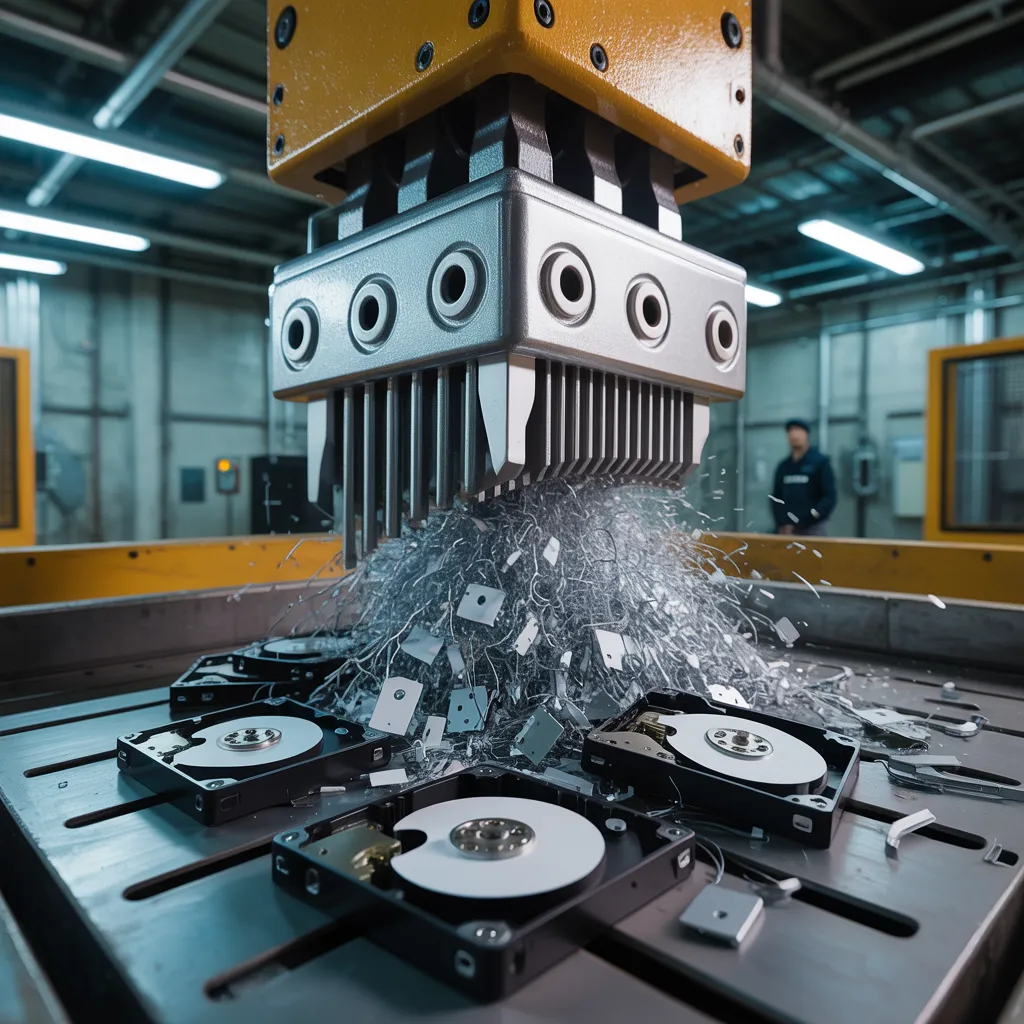
Next, the divided materials are handled via cutting-edge techniques, such as shredding and specialized chemical treatments, to prepare them for recycling.
Ultimately, the remaining dangerous materials are managed properly, following environmental guidelines. This comprehensive process not only preserves valuable resources but also reduces the dangers associated with irresponsible electronic waste disposal, guaranteeing a greener future for electronic device usage.
Benefits of E-Waste Recycling for You and Your Community
Though many people are unaware, the benefits of e-waste recycling reach well past personal use to meaningfully influence entire communities. By responsibly disposing of electronic waste, individuals play a role in creating a cleaner environment, decreasing toxic components that can leach into soil and water. This proactive approach works to protect local ecosystems and supports public health.
Furthermore, electronic waste recycling supports job creation within communities. Local recycling facilities often require personnel for numerous tasks, from collection to processing, thereby providing employment opportunities for community members. This not only strengthens the regional economy but also inspires community dedication to sustainable efforts.
Furthermore, awareness of e-waste recycling is capable of inspiring community outreach programs, encouraging residents to embrace sustainable practices. By taking part in e-waste recycling programs, individuals cultivate a culture of sustainability, prompting others to follow suit. All things considered, the collective impact of these actions can create a more sustainable and conscientious community.
How to Choose an E-Waste Recycling Service
Picking the most suitable electronic waste recycling provider is vital for making sure that electronic waste is processed responsibly and sustainably. Initially, consumers should check the company's certifications, such as R2 or e-Stewards, which demonstrate compliance with professional guidelines for responsible recycling methods. It is equally important to examine the organization's credibility by reviewing feedback and obtaining advice from dependable sources.
Furthermore, openness in the recycling process is crucial. A trustworthy company should supply straightforward details about how e-waste is processed and how the materials are utilized. Additionally, evaluating the range of services offered can be beneficial; various firms may supply retrieval services or extend benefits for recycling.
In addition, being aware View details of local guidelines related to e-waste disposal may further shape the choice of disposal method. When these considerations are given priority, individuals can contribute to successful electronic waste reduction while also advancing environmentally responsible practices.
Ways You Can Participate in E-Waste Recycling?
Engaging in e-waste recycling often starts at the local level, where community recycling hubs regularly supply essential services for proper disposal. Furthermore, joining community awareness campaigns can amplify efforts to educate others about the importance of ethical e-waste practices. These actions not only promote sustainability but also foster a collective sense of stewardship of the environment.
Regional Recycling Centers
Several local recycling centers serve a vital function in electronic waste recycling, providing communities with accessible options to manage electronic waste appropriately. These facilities handle a selection of electronic items, including outdated computers, mobile phones, and TVs, verifying that toxic materials are disposed of safely. Many hubs feature qualified professionals who are able to assist individuals with correct disposal techniques, highlighting the value of recycling rather than landfilling. In addition, many centers offer scheduled drop-off occasions or specific collection dates, making it easy for residents to participate. Through the use of these community services, individuals contribute to a circular economy, lowering environmental harm and encouraging sustainable habits. Working alongside these hubs enables communities to combat e-waste pollution successfully.
Community Outreach Campaigns
Local organizations, schools, and businesses can work together to organize events that support e-waste collection drives. Dedicated participants can take a leading part in spreading awareness, distributing educational materials, and engaging with the community. By means of these joint initiatives, community members grow more knowledgeable and inspired to dispose of their electronics responsibly, thereby helping to build a greener and more sustainable tomorrow.
Frequently Asked Questions
What Kinds of Electronics Can Be Recycled?
Various electronics can be recycled, including smartphones, computers, laptops, televisions, printers, and gaming consoles. Additionally, peripherals such as batteries, keyboards, and mice are also suitable for recycling, contributing to efforts to conserve the environment.
Are There Fees Involved With E-Waste Recycling?
Indeed, electronic waste recycling sometimes comes with charges, subject to the provider. Some facilities impose charges for collection or processing, while other facilities offer free services, often subsidized by the proceeds from salvaged materials.
How Do Businesses Gain From E-Waste Recycling?
Companies can take advantage of e-waste recycling by lowering disposal expenses, strengthening their ecological standing, adhering to regulatory requirements, reclaiming useful materials, and creating potential earnings via resale, thus supporting a greener and more sustainable operational framework.
What Occurs with Data on Recycled Devices?
Details from recycled equipment is frequently permanently erased or eliminated during processing. This guarantees sensitive information stays protected, blocking unwanted intrusion while allowing materials to be reused securely and sustainably in new products.
Is It Possible to Recycle Damaged Electronics?
Indeed, non-functioning electronics can be recycled. A wide range of facilities take in broken devices, providing safe disposal and retrieval of useful materials. Doing so helps decrease harm to the environment while supporting eco-friendly recycling methods to handle e-waste effectively.